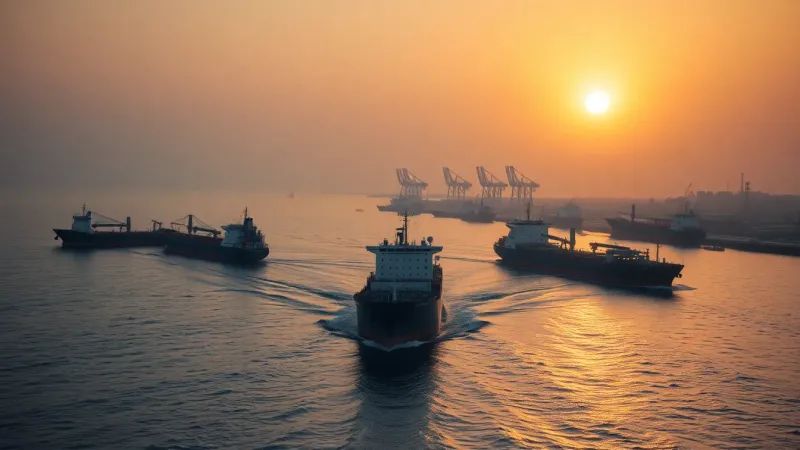
U.S. Gas Prices Fall for the Sixth Consecutive Week
Gas prices in the United States continue to fall for the sixth consecutive week. This trend is weighing on oil prices and reshaping the energy outlook.

44 articles on oil
Gas prices in the United States continue to fall for the sixth consecutive week. This trend is weighing on oil prices and reshaping the energy outlook.

The cancellation of U.S.-Iran negotiations is driving up crude oil prices. European bond yields are rising as a result.

The provisional peace agreement between the United States and Iran has sent oil prices tumbling and boosted gold prices. Commodity markets are entering a new phase.

Tehran announces the closure of the Strait of Hormuz following U.S. strikes. Oil prices jump by $2. The geopolitical shock everyone feared.

Despite tensions in the Strait of Hormuz and price volatility, OPEC is maintaining its global demand forecast. This sends a strong signal to the oil market.

Hostilities are escalating in Iran. Oil prices are rising as negotiations stall and military tensions reach a new peak.

An Israeli strike hit a café in the port of Gaza, killing at least two people. The escalation continues in the Gaza Strip.

The American giant Chevron has filed an official bid to acquire an offshore oil block in Greece. This strategic move in the eastern Mediterranean is reshaping the European energy landscape.

The London index is rising as hopes for a deal with Iran offset tensions over crude oil. The market is betting on a de-escalation of geopolitical tensions.

Tehran is reviewing the latest U.S. response, while Trump says he is in no hurry. Tensions remain high over the nuclear issue and sanctions.

The prolonged conflict in Iran is causing strategic oil reserves to drop to critical levels. Markets are anticipating a major supply shock.

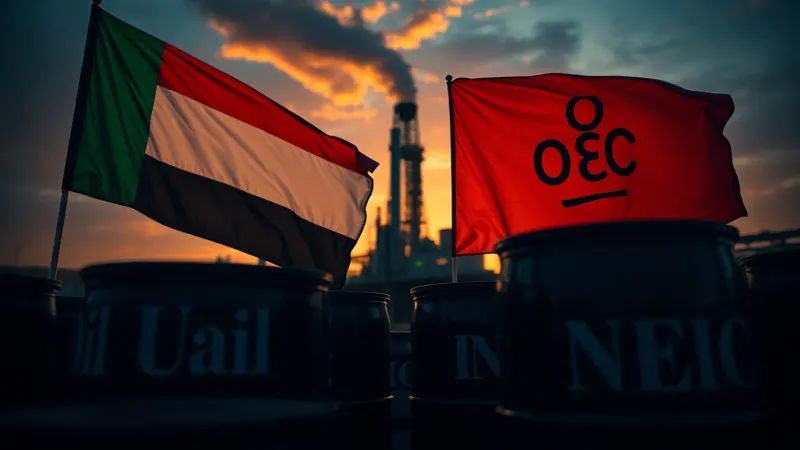
The United Arab Emirates has withdrawn from OPEC without warning. This is a major blow to Saudi Arabia and a diplomatic triumph for Washington, which is reshuffling the global oil deck.

The U.S. president says the ceasefire with Iran is on life support. European stock markets are expected to open sharply lower on Tuesday.

Oil prices have surpassed $110, while Nasdaq 100 futures are down 0.6% following OpenAI's struggles to attract new users and meet its sales targets.

The United Arab Emirates has left OPEC without notice, citing national interests. This is a major blow to Riyadh and a major diplomatic victory for Washington.

The Iranian rial has hit a record low against the dollar. Two months of conflict, U.S. airstrikes, and a naval blockade are stifling an economy already under sanctions.

The Iranian currency has hit a new all-time low of 1.81 million rials to the dollar, a victim of U.S. military strikes and the naval blockade that are choking the economy.

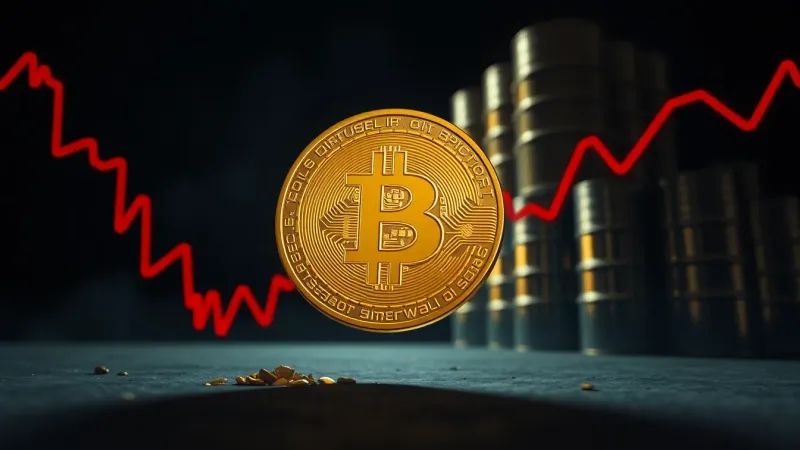
Bitcoin is down 2.1% and Ethereum 3.4%, while Brent crude has surged 7.1% to $126 a barrel. Cryptocurrencies are taking a hit amid geopolitical tensions.

Alexander Novak, Russia's Deputy Prime Minister, says that Moscow will remain in OPEC+ despite the UAE's surprise withdrawal and that a price war is not expected.

The French giant is publishing its quarterly figures this Wednesday, expected to rise sharply thanks to the surge in hydrocarbon prices since the Middle East conflict.

OPEC+ adds 206,000 barrels per day to its May quotas. A largely symbolic gesture that masks a much more complex reality in the oil market.

European markets are losing ground this Friday in the wake of Wall Street. The diplomatic deadlock in the Middle East and elevated oil prices are weighing heavily on investor sentiment.

The gold-to-silver ratio climbs to 43%, confirming the dominance of the yellow metal. Oil stabilizes after weeks of volatility. Breakdown for commodities traders.

The ceasefire is holding but the Strait of Hormuz remains closed. Paris nearly flat, Frankfurt advancing slightly, and oil retreating after yesterday's surge.

Trump refuses to extend the truce in Iran. Brent climbs to 99.78 USD, WTI to 94.36 USD. The Strait of Hormuz remains paralyzed.

David Morgan anticipates six weeks of consolidation for gold before a massive upward movement. Energy tensions and food shortages are at the heart of his analysis.

Traders placed over a billion dollars in surprisingly well-timed bets on air strikes against Iran. Regulators are concerned about possible insider trading.

Roland Lescure categorically rejects any tolls to cross the Strait of Hormuz, as Iran blocks this strategic passage. The G7 is concerned about the impact on global inflation.

Physical Brent is trading at $133 a barrel, while Brent futures are worth just $99. This unprecedented gap reveals a major market disruption.

Spot silver climbed to $77.73 an ounce, buoyed by a weakening dollar and hopes of peace between the United States and Iran. Silver miners follow suit.

Patrick Pouyanné calls for the reopening of the Strait of Hormuz, even for ransom. A fifth of the world's oil is blocked. Three months before the crisis.

Oil prices break through the $100/barrel barrier following the failure of negotiations in the Middle East. U.S. energy majors' shares soar in premarket trading.

Paris, London and Frankfurt fell back at the start of the session. The failure of negotiations between Washington and Teheran has triggered a wave of risk aversion on the Old Continent.

European markets tumbled on Monday morning. Paris lost 0.94%, Frankfurt 0.96%, London 0.56%. Cause: tensions between Iran and the United States over a threatened port blockade.

Oil prices rise again as tensions with Iran intensify. Trump threatens strikes against Iranian energy facilities.

As a fragile ceasefire between Iran and the United States enters its 4th day, world stock markets move cautiously forward. The Strait of Hormuz remains largely blocked, threatening global energy supplies.

The US Federal Reserve is expected to leave rates unchanged at its March meeting. Weak employment signals and soaring energy prices are weighing on the decision.

An agreement between Iran and the United States boosts the French economy. OFCE forecasts growth of 0.8% in 2026 if energy prices return to normal.

The announcement of a two-week truce between Washington and Teheran provoked a collapse in energy prices. Brent crude plunged to $92.95 a barrel.

WTI hovers around $110.90 as Trump threatens Iranian infrastructure. Negotiations behind the scenes and the Strait of Hormuz closed: the powder remains dry.

Oil flirts with $110 a barrel amid Trump's trade threats and tensions in the Strait of Hormuz - gold rallies, inflation threatens to return to haunt central banks.

Energy facilities in the Middle East are damaged and repairs will take a long time. Meanwhile, Opep+ is increasing its quotas. What does this mean for your wallet?

211 million dollars in 24 hours of retail purchases on oil ETFs. Small traders are flocking to black gold like never before. But this frenzy conceals a death trap.

OPEC+ acts on a symbolic increase of 206,000 b/d for May, but Brent remains stuck at $109 - the closure of the Strait of Hormuz completely undermines the cartel's decision.