U.S. troops are adapting to the war in Iran
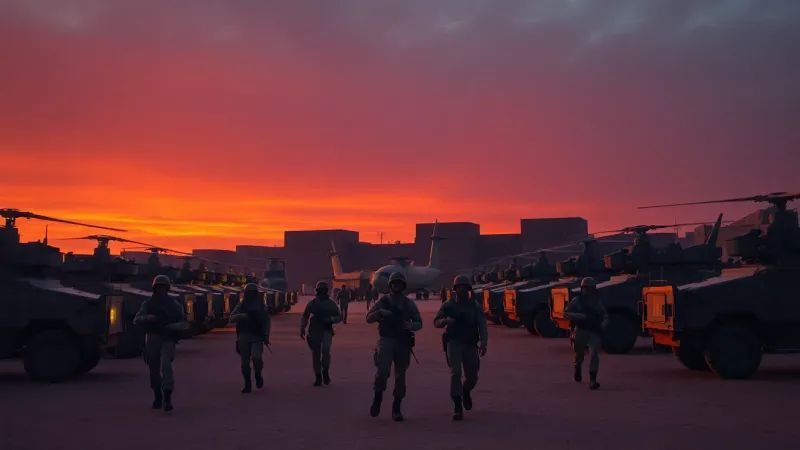
U.S. forces stationed in the Middle East are now living with the reality of a conflict that is reshaping their daily lives and those of their loved ones.
18 articles on Middle East

U.S. forces stationed in the Middle East are now living with the reality of a conflict that is reshaping their daily lives and those of their loved ones.

Despite tensions in the Strait of Hormuz and price volatility, OPEC is maintaining its global demand forecast. This sends a strong signal to the oil market.

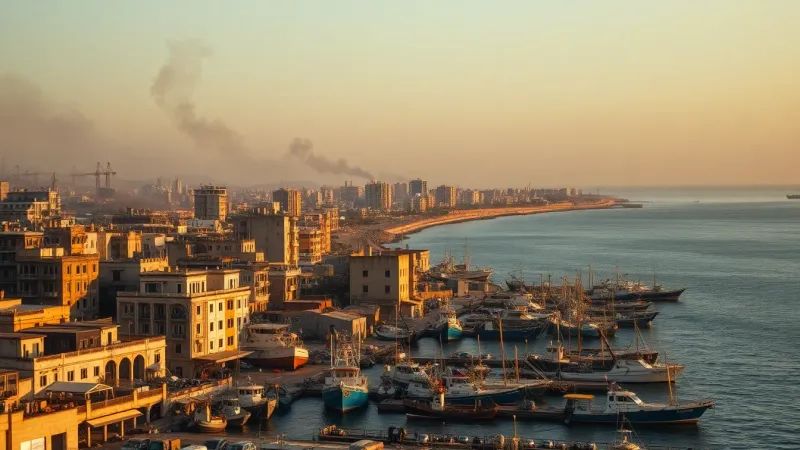
An Israeli strike hit a café in the port of Gaza, killing at least two people. The escalation continues in the Gaza Strip.

Inflation in the eurozone rose from 1.9% in February to 3% in April. Gas, shipping, and fuel: all these costs have been on the rise since the start of the conflict in the Middle East.

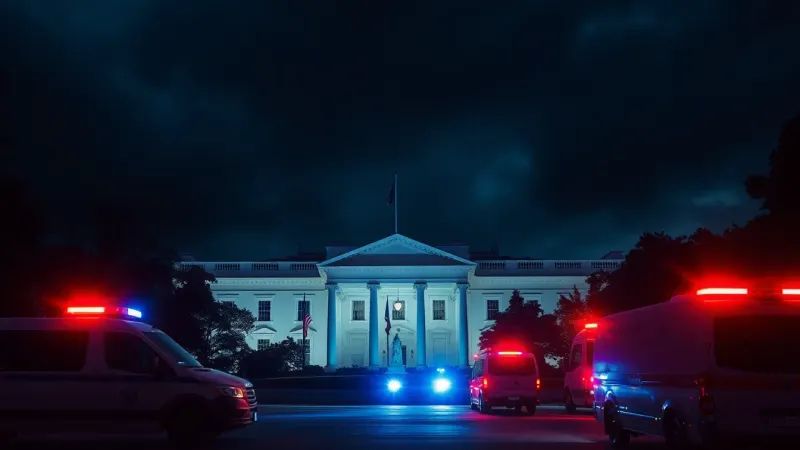
The American president evacuated after gunfire at the correspondents' dinner. He cancels talks with Iran but maintains military pressure on Tehran.

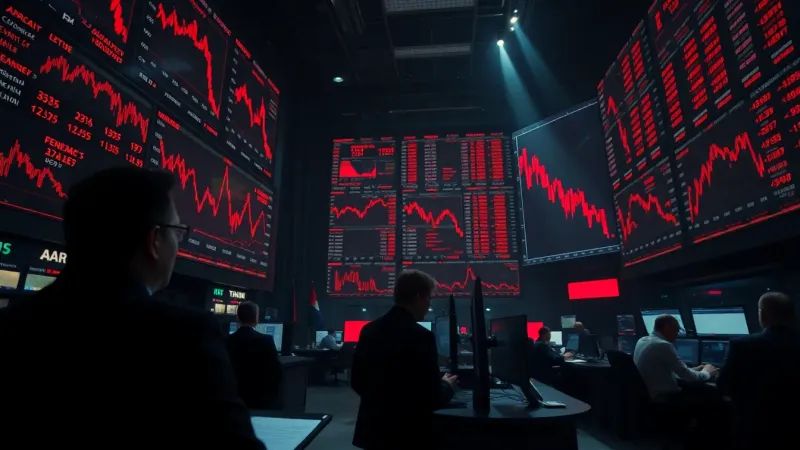
European markets are losing ground this Friday in the wake of Wall Street. The diplomatic deadlock in the Middle East and elevated oil prices are weighing heavily on investor sentiment.

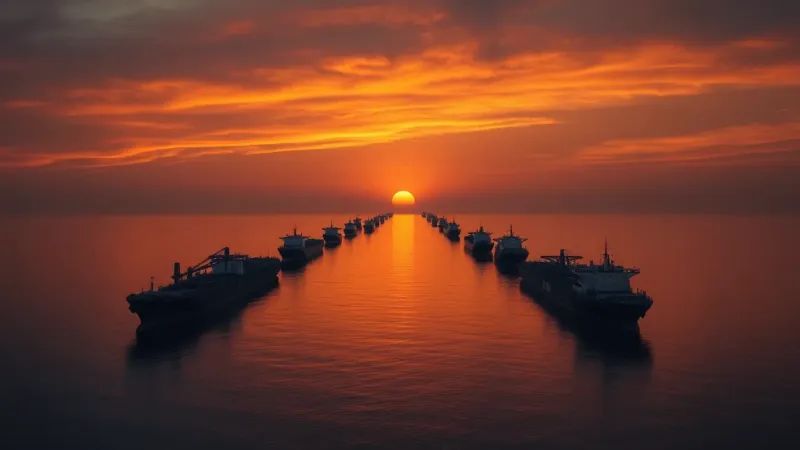
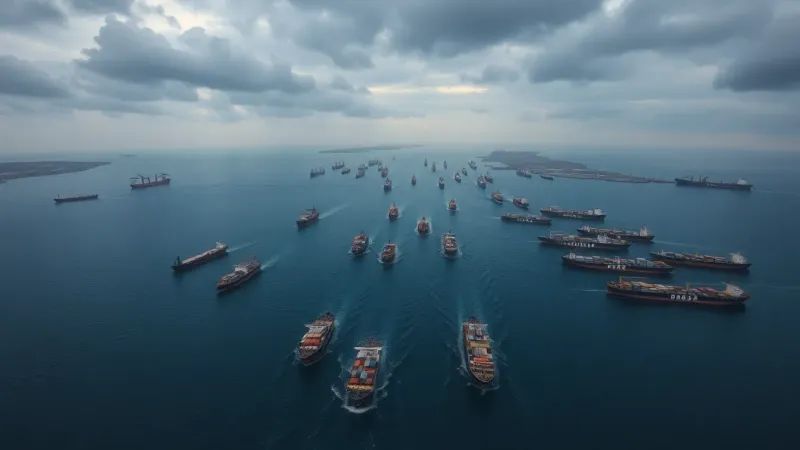
The ceasefire is holding but the Strait of Hormuz remains closed. Paris nearly flat, Frankfurt advancing slightly, and oil retreating after yesterday's surge.

The French luxury giant's share price plummets after disappointing Q1 sales. War and currency effects cost the group 290 million euros.

The Nasdaq 100 e-mini is up 0.42% as traders watch for signs of peace in the Middle East and a new salvo of major corporate results.

The CAC 40 gained ground on Tuesday morning on the back of easing geopolitical tensions. But LVMH disappointed with sales down 6%.

BP reports exceptional oil trading results for Q1, boosted by the war in the Middle East and volatile crude oil prices. Shell follows the same dynamic.

The European airline industry is feeling the effects of the conflict in the Middle East. Bernstein identifies two companies with solid fundamentals capable of navigating the crisis.

Paris, London and Frankfurt fell back at the start of the session. The failure of negotiations between Washington and Teheran has triggered a wave of risk aversion on the Old Continent.

European markets tumbled on Monday morning. Paris lost 0.94%, Frankfurt 0.96%, London 0.56%. Cause: tensions between Iran and the United States over a threatened port blockade.

As a fragile ceasefire between Iran and the United States enters its 4th day, world stock markets move cautiously forward. The Strait of Hormuz remains largely blocked, threatening global energy supplies.

An agreement between Iran and the United States boosts the French economy. OFCE forecasts growth of 0.8% in 2026 if energy prices return to normal.

Oil flirts with $110 a barrel amid Trump's trade threats and tensions in the Strait of Hormuz - gold rallies, inflation threatens to return to haunt central banks.

Energy facilities in the Middle East are damaged and repairs will take a long time. Meanwhile, Opep+ is increasing its quotas. What does this mean for your wallet?