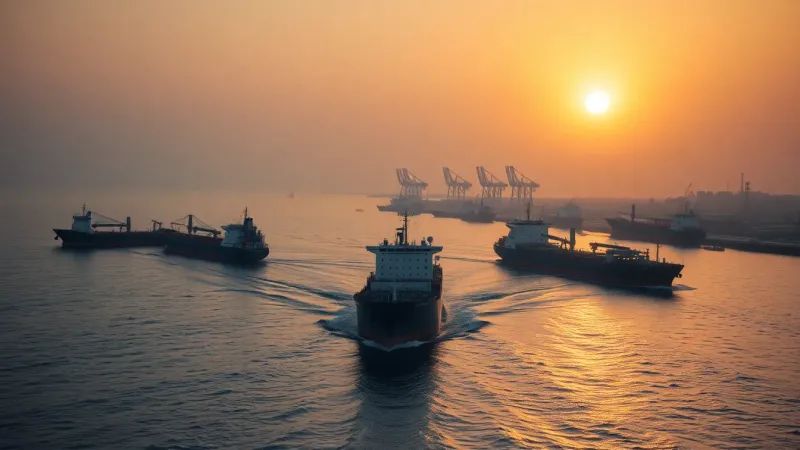
Oil prices are rising again as tensions in Iran reach a new level. Talks have stalled, and hostilities are escalating on the ground. This is a situation not seen in months. 🔥
🔍 What’s happening?
Military clashes have resumed in Iran, dashing any hope for dialogue. Diplomatic negotiations intended to calm the situation have come to a complete standstill. The immediate result: oil prices are surging amid supply concerns.
The market is anticipating disruptions to oil flows in a region that accounts for a significant portion of global production. Every military escalation revives the specter of regional contagion that could affect major export routes.
💡 Why does this matter?
Because Iran controls the Strait of Hormuz, through which about one-fifth of the world’s oil passes. An escalation in this area immediately drives up the risk premium on crude oil. Traders are factoring in the worst-case scenario: a partial or total blockage of this strategic waterway.
For European markets, a spike in oil prices means imported inflation and pressure on the ECB. France imports a massive amount of its energy. When the price of a barrel skyrockets, diesel and gasoline prices at the pump automatically follow a few weeks later.
📊 Our view
We are in a short-term bullish trend, driven more by fear than by supply and demand fundamentals.
As long as negotiations remain deadlocked and hostilities continue, the price per barrel will keep rising. Markets always overreact to geopolitical risks in the Middle East, and rightly so: history has shown that disruptions in this region can be sudden and severe. In Europe, keep an eye on OPEC+ statements: if the cartel decides to increase production to offset an excessive speculative rally, it could put the brakes on the run. But for now, there’s no sign of such a move.
We expect volatility to continue as long as no truce is in sight. For French traders: if you want to bet on rising oil prices, do so with tight stops, as a surprise diplomatic turnaround could reverse everything in a single trading session.
✅ Key takeaways
- Tensions in Iran are escalating; negotiations have come to a complete standstill
- Oil surges amid regional supply risks
- The Strait of Hormuz remains the focus of market concerns
- Volatility expected until a diplomatic agreement emerges
What do you think? Are you betting on higher crude prices, or waiting for signs of de-escalation before entering the market?
🔎 See also
For more in-depth analysis, check out all our Commodities insights on ActuTrading Commodities 📈
Source: Investing.com, financial press