What is a warrant in trading 📜
A warrant allows you to bet on the price of an asset without actually owning it. It's a contract that gives you the right to buy or sell at a fixed price. We explain how it works.
Must-read guides to start trading stocks, crypto, and forex in 2026.
Which account for 2026: tax benefits, limits, numerical comparison.
Read guide →30 % flat tax, crypto, forex, form 2086, 3916-bis declaration: full guide.
Read guide →Flat tax explained: who pays, when to opt for scale, how to legally avoid it.
Read guide →Complete list CW8, ESE, PE500, PANX, LCEU. Fee comparison and allocation strategies.
Read guide →European rules on forex/CFD, required margins, Professional Client status.
Read guide →Free trading guides and tutorials: creating an MT5 account, calculating lot size, technical analysis basics, trading correlations and money management strategies for beginners and intermediates.
A warrant allows you to bet on the price of an asset without actually owning it. It's a contract that gives you the right to buy or sell at a fixed price. We explain how it works.
Worried about buying an overpriced stock? Options let you protect yourself or bet on a rise/fall. Here's how it works in plain English.

Have you ever seen a share price soar or plummet in a matter of seconds? It's not magic: it's supply and demand. We explain it simply.

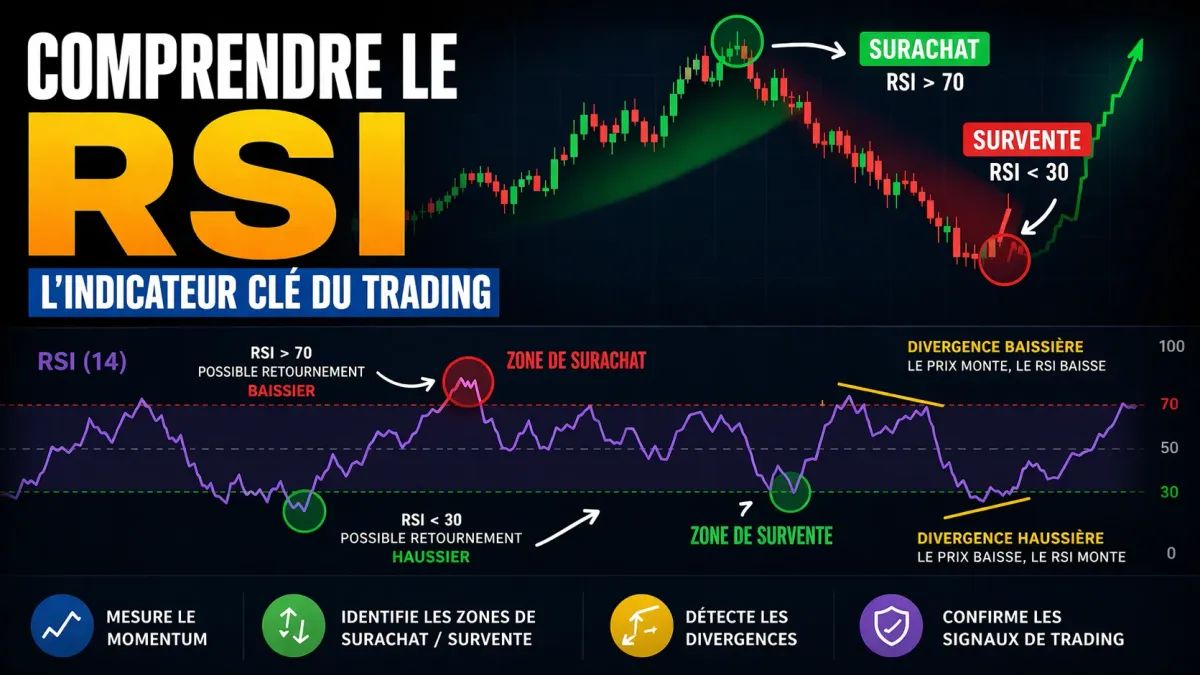
The RSI is a powerful indicator for detecting overbought and oversold zones, but if misused, it can generate numerous false signals.

In trading, a good strategy is not enough: without discipline, even the best system becomes ineffective and leads to losses.

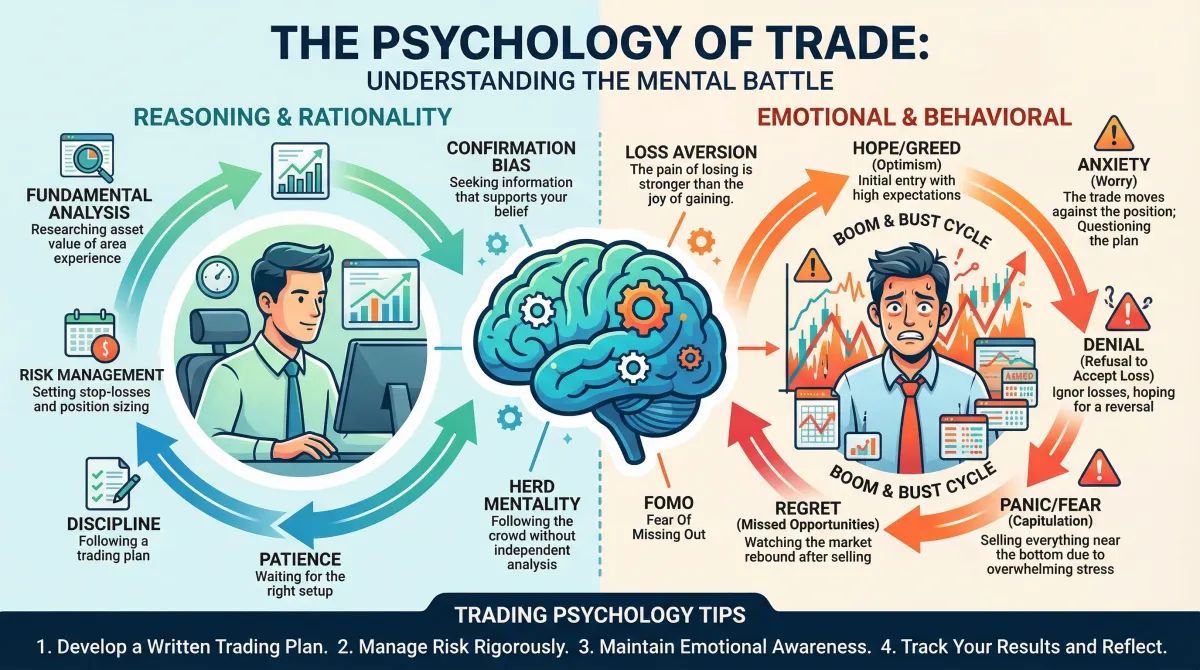
Most traders lose money not through lack of intelligence, but through psychological errors, poor risk management and unrealistic expectations.

Liquidity represents the areas where the market finds orders and explains why the price moves towards certain levels before reacting.

Market psychology shows how traders' emotions influence their decisions and create price movements.

Market structure allows you to analyze price movements through peaks and troughs to identify trends, detect reversals and make more accurate trading decisions.

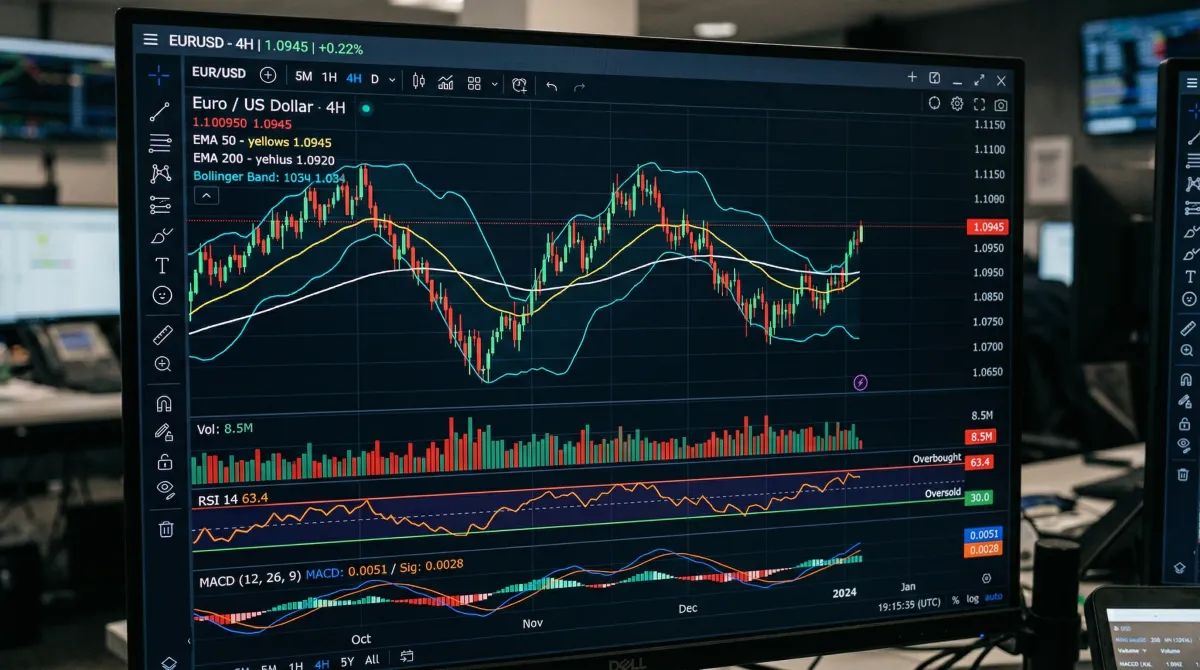
Technical analysis involves studying price charts and market data 📊 to anticipate future movements by identifying trends, supports and resistances in order to make more likely trading decisions ⚡️

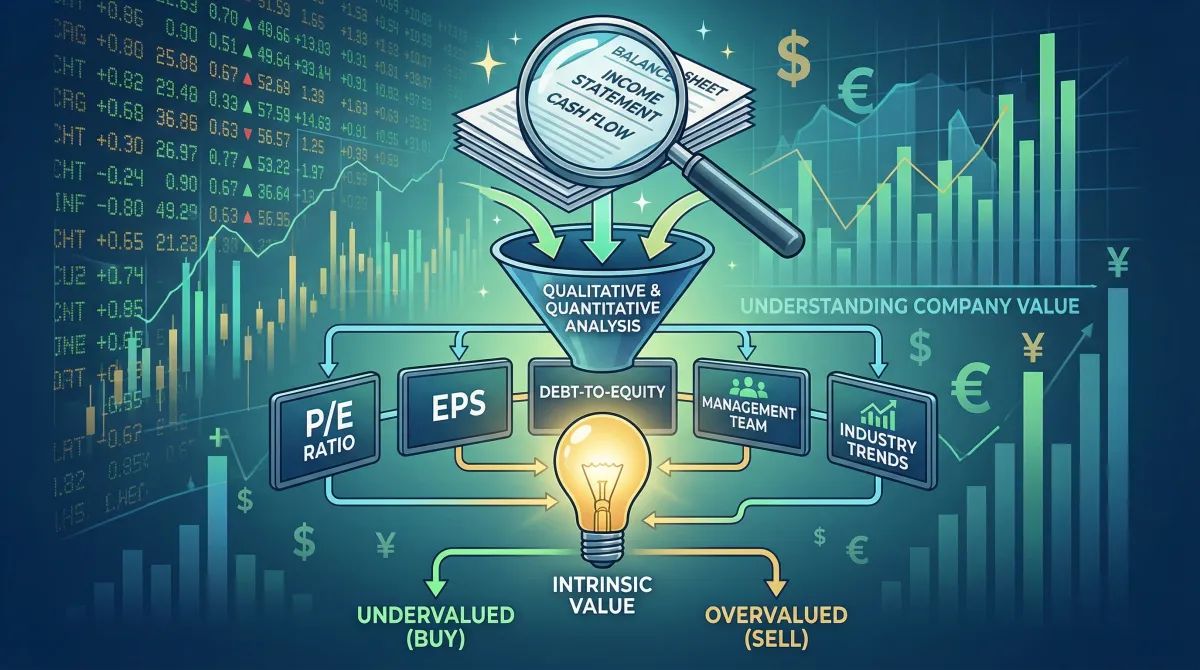
📊 Fundamental analysis involves studying economic, financial and geopolitical data to understand and anticipate market movements.

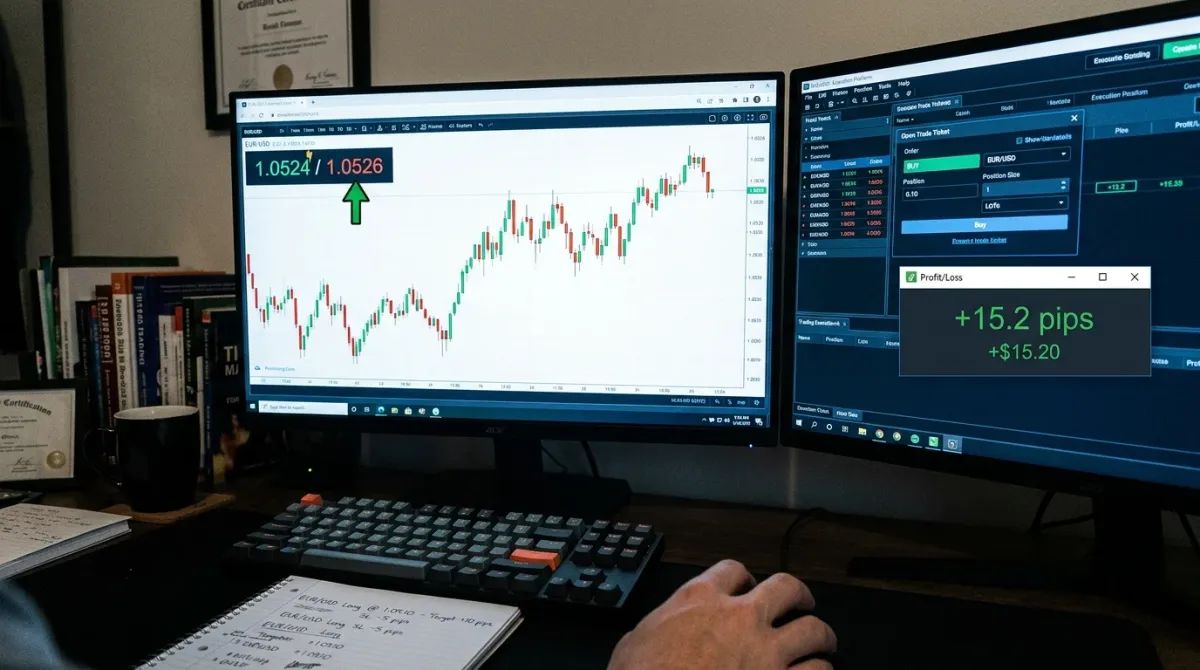
📊 A pip is the smallest price variation of an asset (especially in forex), used to measure market movements and calculate the gains or losses of a trade