Oil prices fall and gold rises following the Iran-U.S. peace agreement
The provisional peace agreement between the United States and Iran has sent oil prices tumbling and boosted gold prices. Commodity markets are entering a new phase.
29 articles on trading

The provisional peace agreement between the United States and Iran has sent oil prices tumbling and boosted gold prices. Commodity markets are entering a new phase.

The structure of Bitcoin order books shows unusual confidence among traders. The $70,000 mark is now in the market’s sights.

Gold has fallen 4% in 24 hours and dropped below $4,150 an ounce. The reason: the Fed’s continued restrictive monetary policy, which is weighing heavily on precious metals.

U.S. forces stationed in the Middle East are now living with the reality of a conflict that is reshaping their daily lives and those of their loved ones.

Faced with persistent inflation, investors are betting heavily on a sharp rise in the U.S. dollar. The Fed remains firm on its monetary policy.

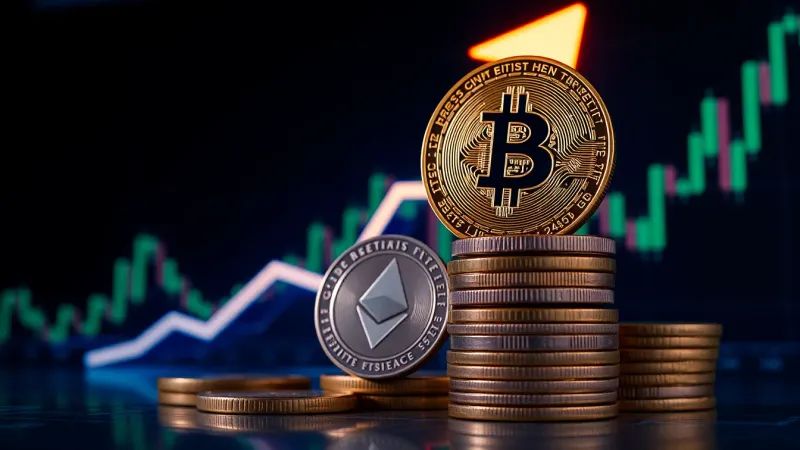
Bitcoin is rebounding and has once again surpassed $77,000. The reasons behind this include hopes for a deal with Iran and Nasdaq’s plans for crypto options.

Zillow's CFO has just sold 9,172 shares under a 10b5-1 plan. This was a pre-scheduled sale that raises no red flags, but the timing is noteworthy.

BTC is testing the $76,500 level following a rapid rally. Several technical and macroeconomic indicators suggest we may be facing a classic bull trap.

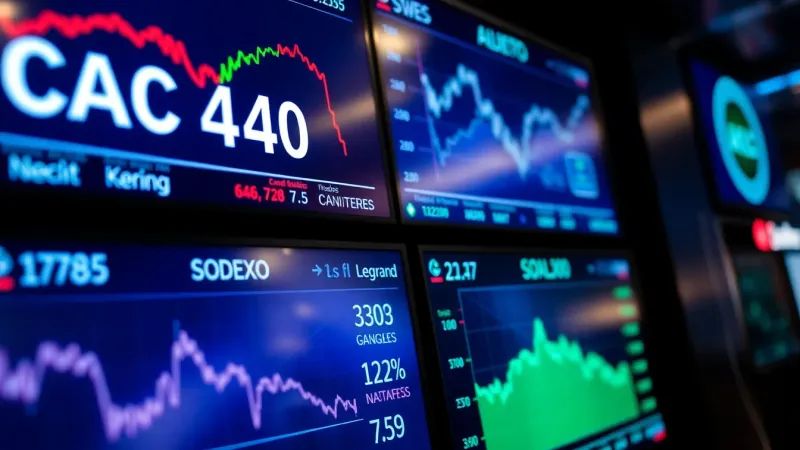
CAC 40 futures are down 60 points to 8,110 points this Friday morning. The U.S. jobs report and tensions surrounding the Iran-U.S. ceasefire are weighing on the market at the open.

The yen surged sharply on Monday, dropping from 157.2 to 156 against the dollar in a matter of minutes. Tokyo is taking further action to defend its currency, which is in free fall.

UBS expects EUR/SEK to appreciate after disappointing Swedish inflation figures. A bullish stance on the euro-crown pair that deserves a closer look.

Snap shares climb before the open after announcing 1,000 layoffs. Management promises $500 million in annualized savings by the end of 2026.

Physical Brent is trading at $133 a barrel, while Brent futures are worth just $99. This unprecedented gap reveals a major market disruption.

Spot silver climbed to $77.73 an ounce, buoyed by a weakening dollar and hopes of peace between the United States and Iran. Silver miners follow suit.

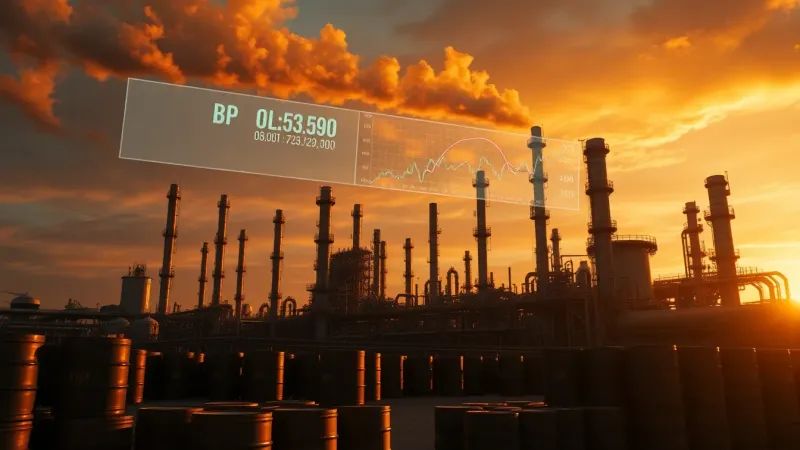
BP reports exceptional oil trading results for Q1, boosted by the war in the Middle East and volatile crude oil prices. Shell follows the same dynamic.

The week kicks off with analysts' opinions on several CAC 40 stocks. Kering, Legrand and Sodexo are at the heart of this week's recommendation adjustments.

Bitcoin briefly surpassed $72,700 following the announcement of an extension to the ceasefire between the USA and Iran. The largest crypto is currently trading above $71,760.

Carnival, Norwegian and Royal Caribbean soared by 7 to 10% on Wednesday. The two-week ceasefire agreement reassures markets about fuel costs and the stability of air routes.

WTI hovers around $110.90 as Trump threatens Iranian infrastructure. Negotiations behind the scenes and the Strait of Hormuz closed: the powder remains dry.

US job creation soared in March, with 178,000 new positions created. A figure that exceeds expectations and could boost the dollar machine.

Liquidity represents the areas where the market finds orders and explains why the price moves towards certain levels before reacting.

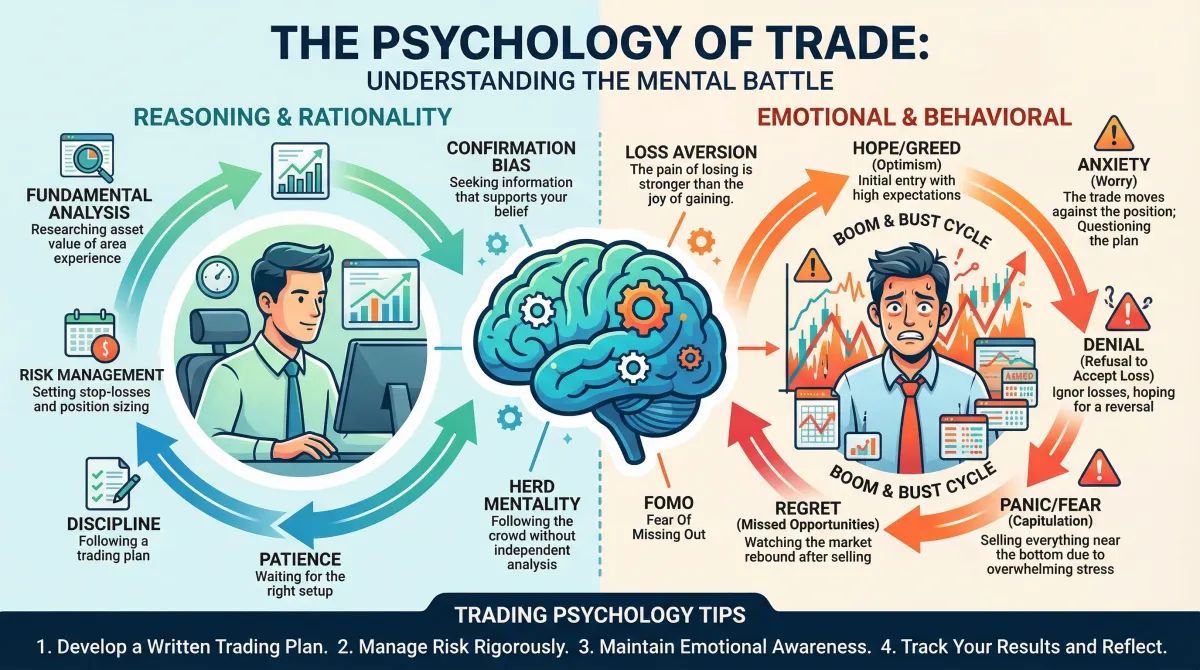
Market psychology shows how traders' emotions influence their decisions and create price movements.

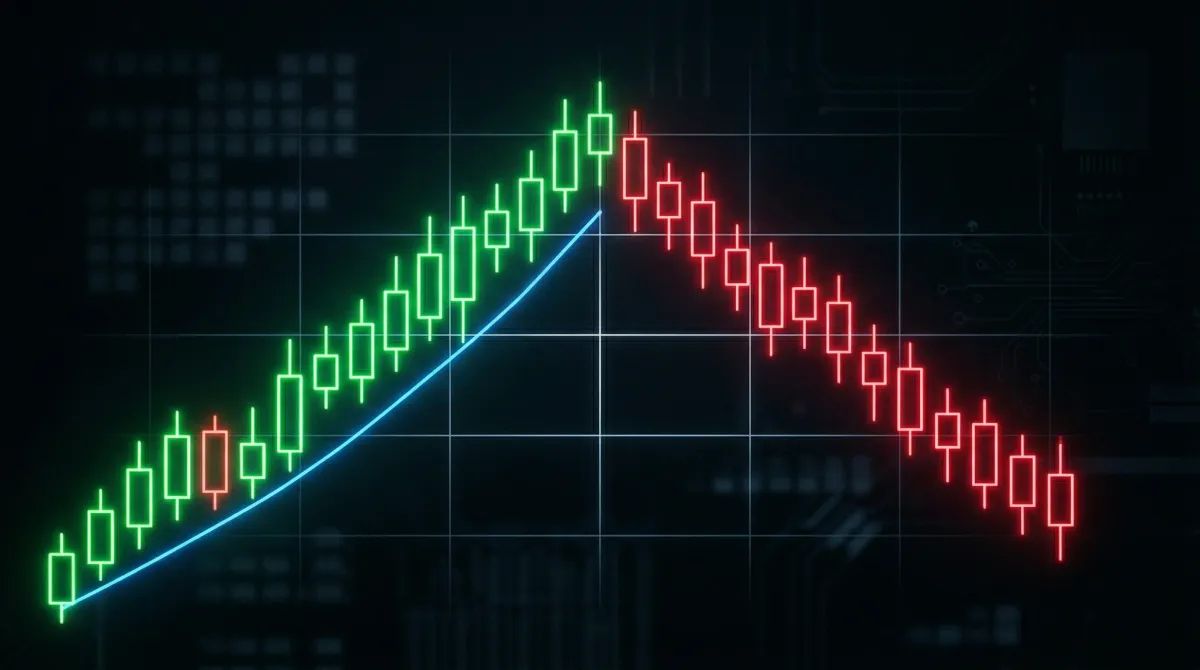
Market structure allows you to analyze price movements through peaks and troughs to identify trends, detect reversals and make more accurate trading decisions.

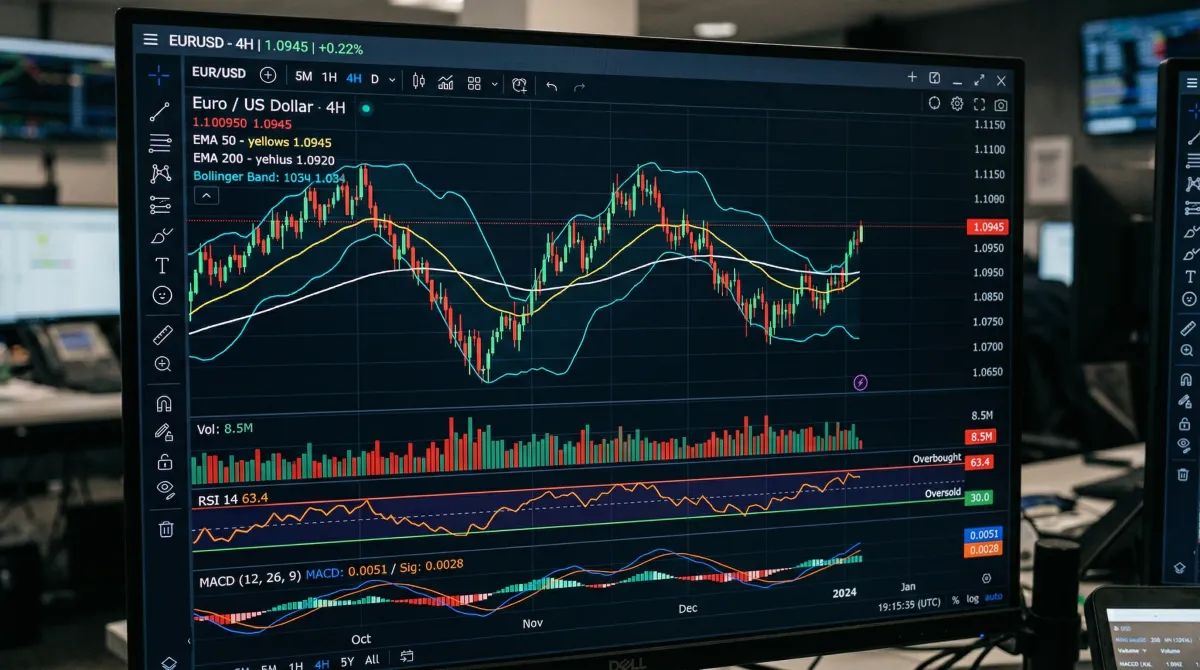
Technical analysis involves studying price charts and market data 📊 to anticipate future movements by identifying trends, supports and resistances in order to make more likely trading decisions ⚡️

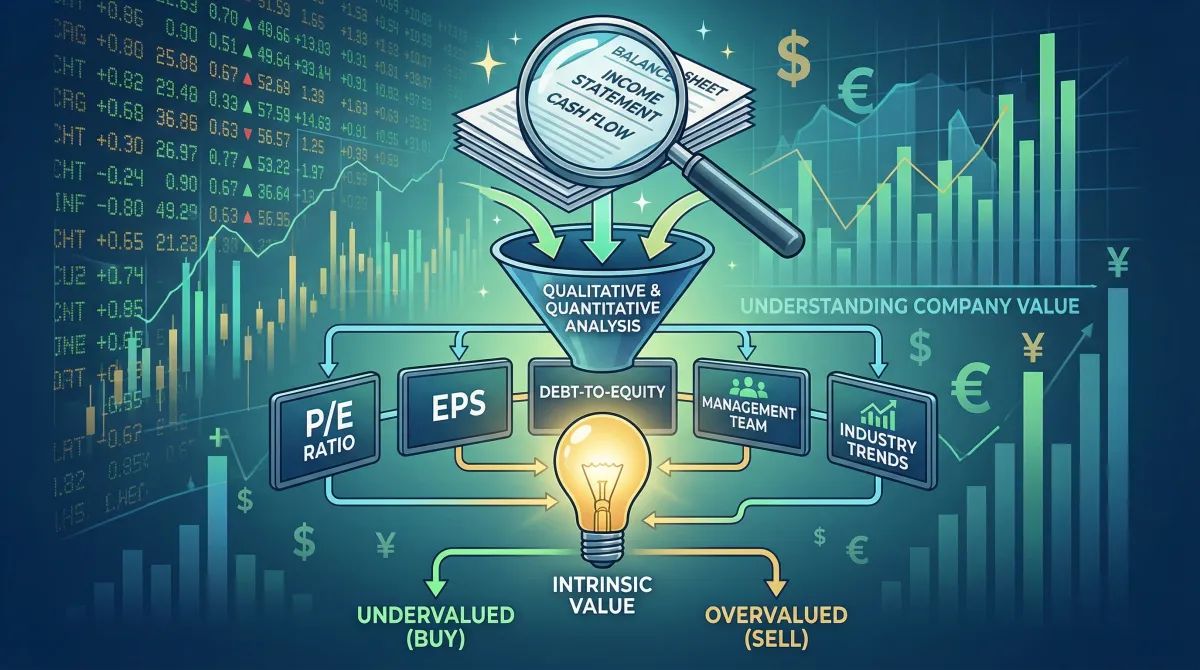
📊 Fundamental analysis involves studying economic, financial and geopolitical data to understand and anticipate market movements.

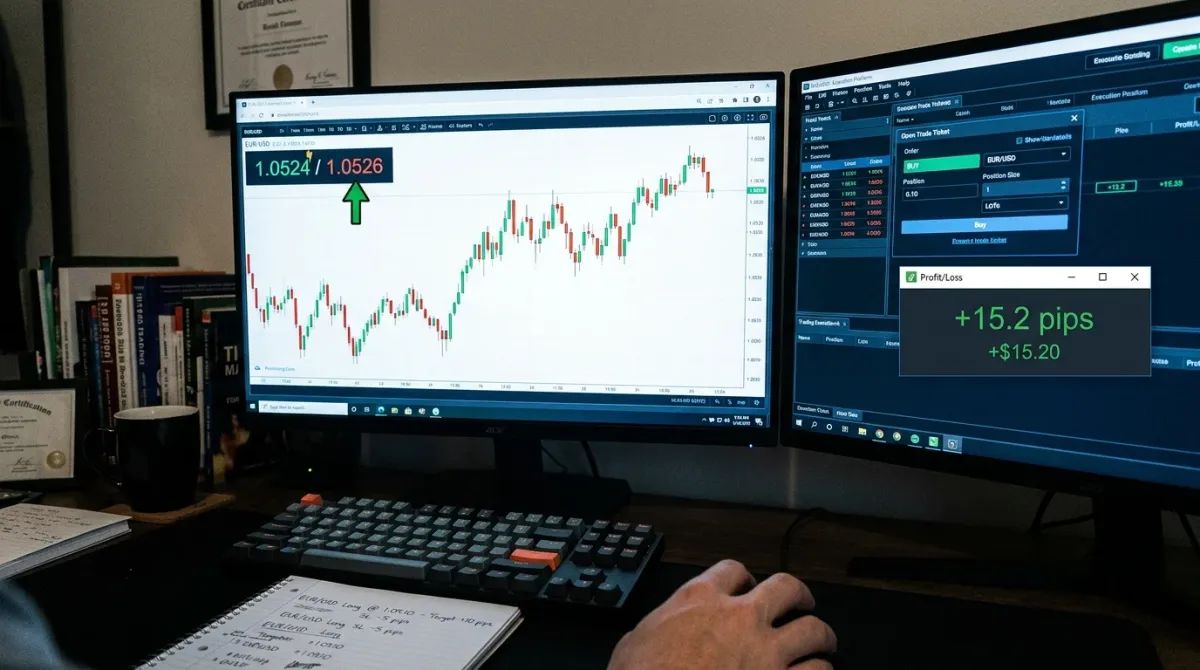
📊 A pip is the smallest price variation of an asset (especially in forex), used to measure market movements and calculate the gains or losses of a trade

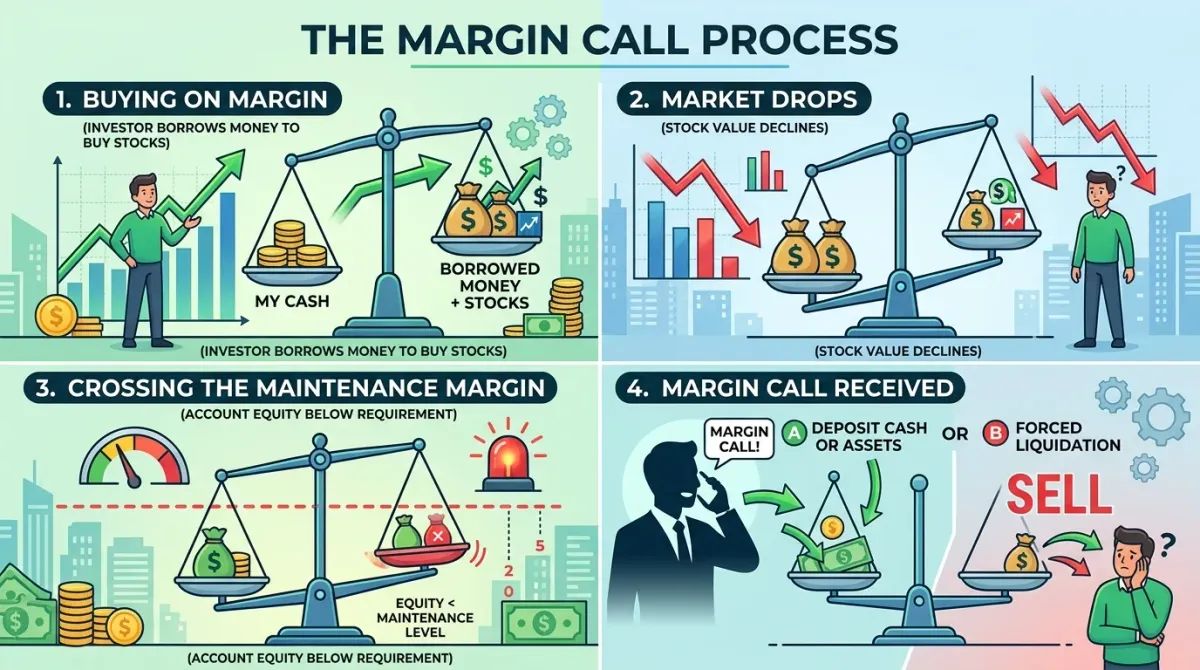
Margin is the capital required to open a leveraged position, enabling you to amplify gains and losses by increasing your exposure to the market.

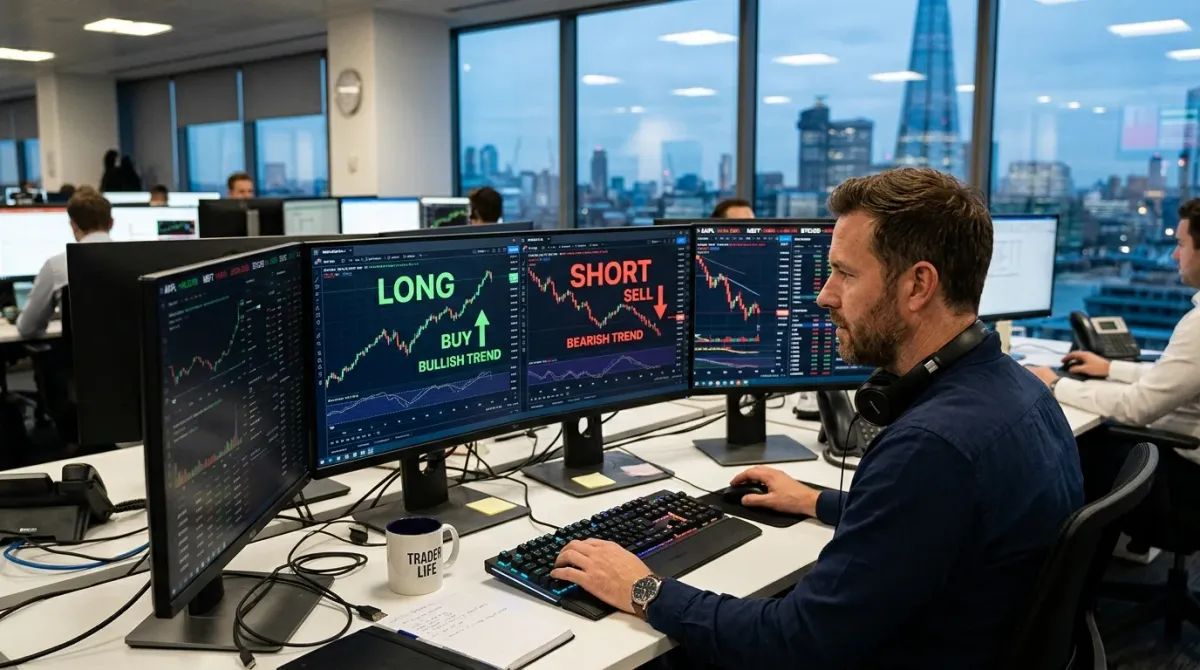
🟢 Long: you buy thinking the price will go up → you win if it goes up. 🔴 Short: you sell thinking the price will go down → you win if it goes down. In both cases, the aim is the same: to profit from the price difference, but the order (buy/sell) is reversed.

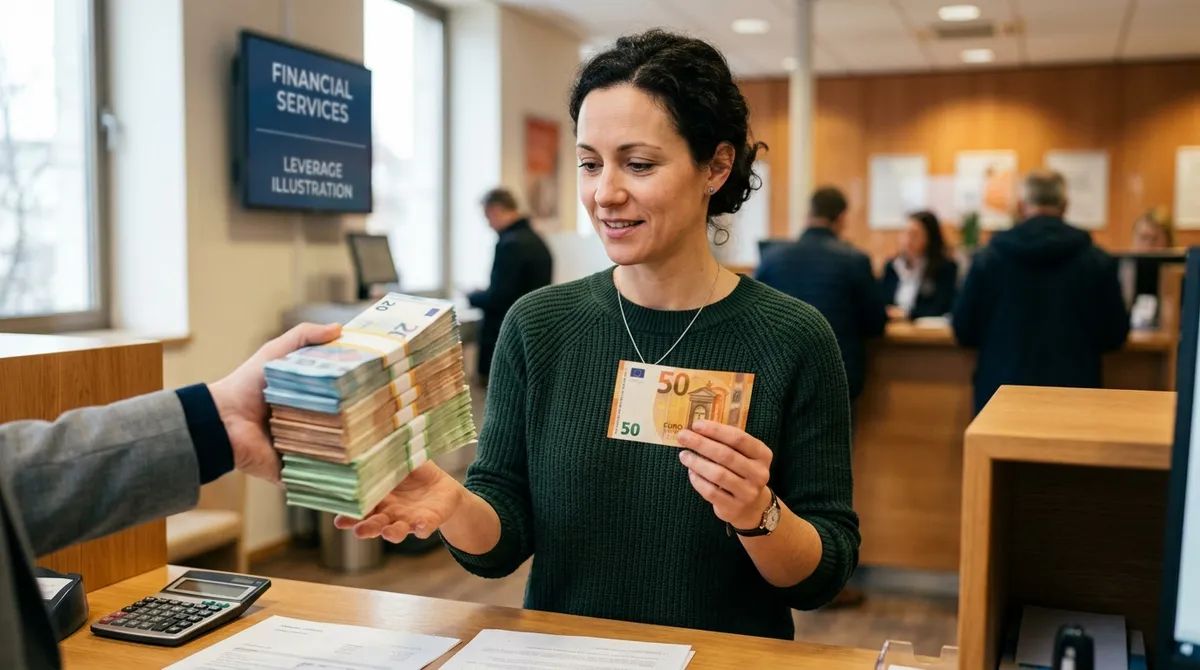
⚡ Leverage: allows you to trade with more money than your actual capital. It amplifies gains... but also losses. The higher the leverage, the greater the risk.