Forex
Gold is approaching $4,500, buoyed by central bank purchases
Gold is hovering near the $4,500 resistance level, driven by massive central bank purchases and weakening expectations of U.S. rate hikes.
Rédaction ActuTradingil y a environ 1 mois
44 articles on EUR/USD
Gold is hovering near the $4,500 resistance level, driven by massive central bank purchases and weakening expectations of U.S. rate hikes.

As inflation remains stubbornly high in the eurozone, the question of another ECB rate hike is resurfacing. We break down the signals.

The euro-dollar exchange rate has fallen back to 1.1437 after giving up its NFP gains. The market is holding its breath ahead of this week's U.S. inflation report.
The Fed's new chair warns: zero tolerance for inflation above 2%. A clear signal to the markets, which had been anticipating easing.
Disappointing U.S. employment data is causing the dollar to fall and pushing back the prospect of another Fed rate hike. The EUR/USD is benefiting from this.

UBS expects the Fed to hold rates steady despite market expectations of a rate hike. Kevin Warsh downplays the inflation risk, but traders remain hesitant.
Inflation in the eurozone is slowing more than expected. The European Central Bank may adopt a more cautious stance in the coming months.
The ECB survey shows that eurozone consumers now expect lower inflation in 2027. This marks a major psychological turning point for the euro and interest rates.

Gold hits its lowest level since November 2025 following the Fed's hawkish signals. The dollar is taking advantage of this to dominate the foreign exchange market.

The yellow metal is losing ground under pressure from a dollar bolstered by expectations of monetary tightening by the Fed.

The U.S. president and the Italian prime minister are trading sharp criticism over Rome's stance on the conflict in Iran. The markets are watching closely.

The New York-based bank is revising its strategy in response to the Federal Reserve's tightening. The markets will have to wait until the fall of 2026 to see rates fall.

The dollar is climbing to its highest level in two months as expectations of a Fed rate hike grow. The Japanese yen is taking a hit.

Gediminas Simkus, a member of the ECB’s Governing Council, announced that at least one more rate hike is on the way. Monetary tightening continues.
The dollar has paused its rally following the announcement of a major peace agreement. The yen remains stable following the BoJ's rate hike.

The Republican Party is concerned about a possible defeat in Texas. Trump has a record war chest of $350 million to turn the tide.
The dollar has reached its highest level since early April. Markets are now betting that the Federal Reserve will resume raising interest rates.

Gold is losing ground against a dollar bolstered by expectations of a hawkish Fed. The Iran-U.S. crisis is no longer enough to prop up the price of gold.

A member of the ECB Governing Council is calling for swift action against inflation. The message comes as the EUR/USD exchange rate remains stable at 1.1658.

Faced with persistent inflation, investors are betting heavily on a sharp rise in the U.S. dollar. The Fed remains firm on its monetary policy.

Kevin Warsh takes the helm at the Fed amid a volatile situation: war with Iran, a FOMC that refuses to cut rates, and markets in panic mode. Not exactly the ideal start.

The conflict with Iran is driving up inflation in Europe. Traders are now betting on a surprise rate hike by the ECB by this summer.

The European Central Bank has put a stop to plans for euro-backed stablecoins. The systemic risks are too high for the eurozone.

The prolonged conflict in Iran is causing strategic oil reserves to drop to critical levels. Markets are anticipating a major supply shock.
Goldman Sachs has just pushed back its forecast for the Fed's first rate cut to December 2026. The reason: U.S. inflation, fueled by the war in Iran.
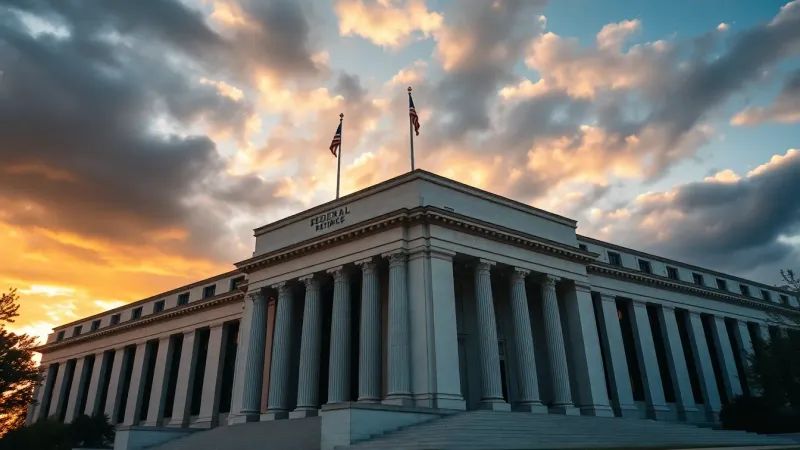
The U.S. Federal Reserve will announce its interest rate decision in April. This meeting is expected to be Jerome Powell’s last as head of the Fed.

According to ADP, the U.S. private sector added 109,000 jobs in April, well above the expected 99,000. This rebound is a game-changer ahead of Friday’s NFP report.

Inflation in the eurozone rose from 1.9% in February to 3% in April. Gas, shipping, and fuel: all these costs have been on the rise since the start of the conflict in the Middle East.
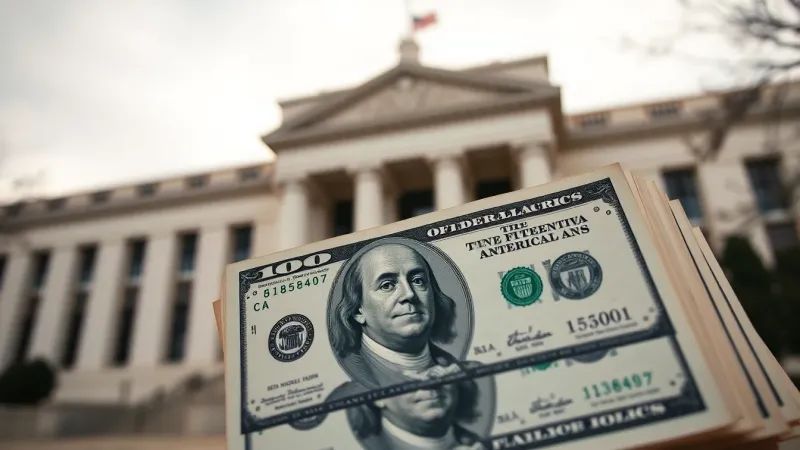
The Federal Reserve surprised markets by maintaining a hawkish stance. The dollar is rising against the euro, the pound, and the yen amid expectations that interest rates will remain high for longer.

The Fed will announce its interest rate decision this Thursday. This is Jerome Powell’s final meeting, and the markets expect no change.

The president of the New York Fed is warning about the conflict's impact: slowed growth and worsening inflation. Economic uncertainty is rising.
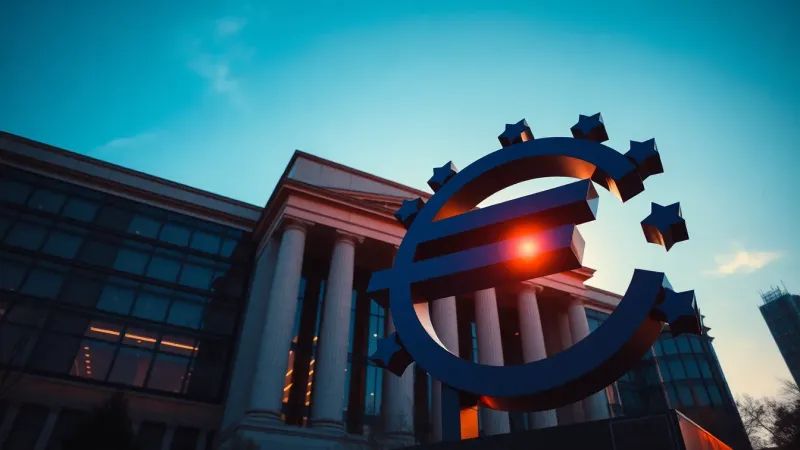
The ECB's internal survey shows that second-order inflation effects remain very limited in the eurozone. A relief for markets that are already anticipating what comes next.

After four months of Hungarian blockade, the Twenty-Seven approve the massive loan to Kyiv. The change of Prime Minister in Budapest changes everything.
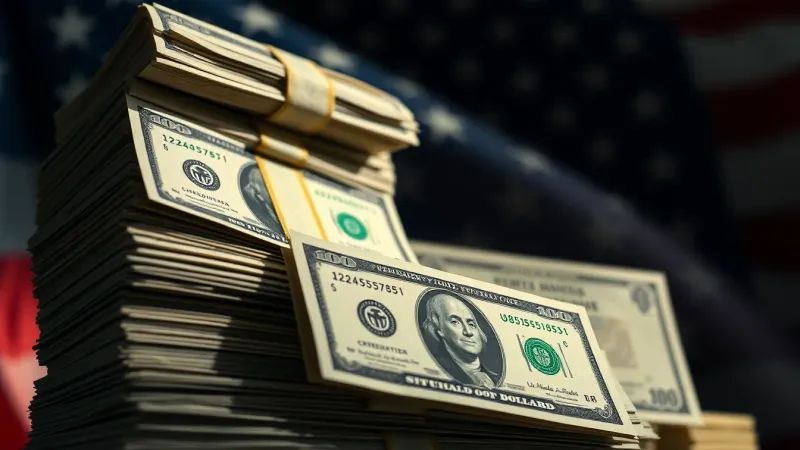
<p>US debt exceeds 100% of GDP, deficits are exploding at 7% per year. Yet the US dollar and Treasury bonds remain solid. For how much longer?</p>
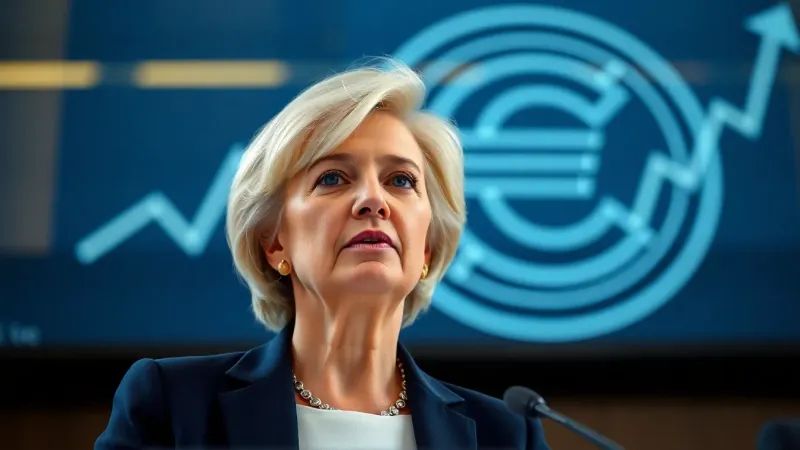
Lagarde asserts: the ECB will raise rates even if inflation proves temporary. A strong signal on European monetary strategy.
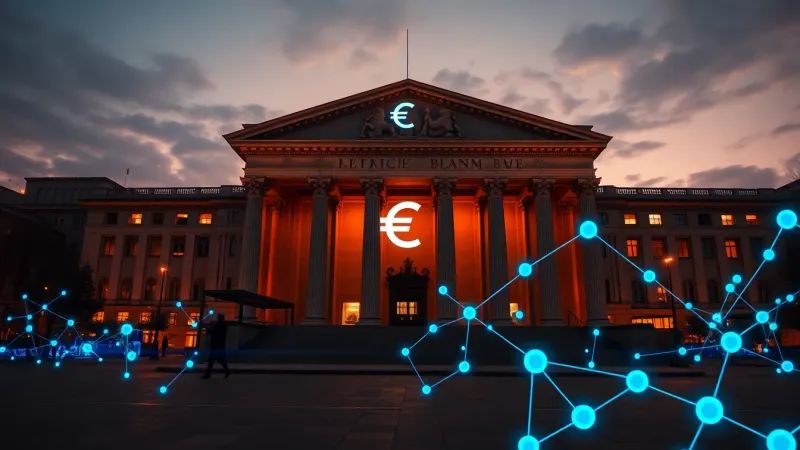
Twelve major European banks form a consortium to put the euro on blockchain and counter the dominance of the dollar in digital markets.

Asian currencies strengthen as the dollar slips. Geopolitical tensions surrounding Iran and US inflation at the forefront: analysis of the week.

Lagarde confirms that the European Central Bank could raise interest rates, even if the expected rise in prices is not expected to last. A strong signal for the euro and bond markets.
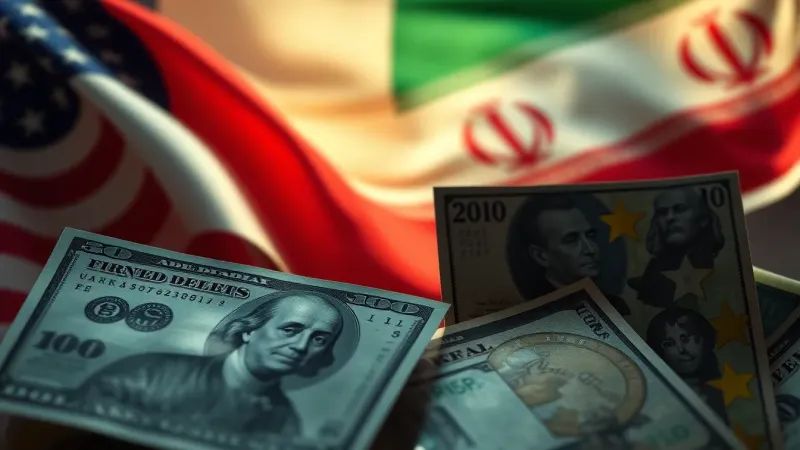
Geopolitical de-escalation between Washington and Teheran prompts traders to abandon the safe-haven dollar. EUR/USD rallies amid market relief.
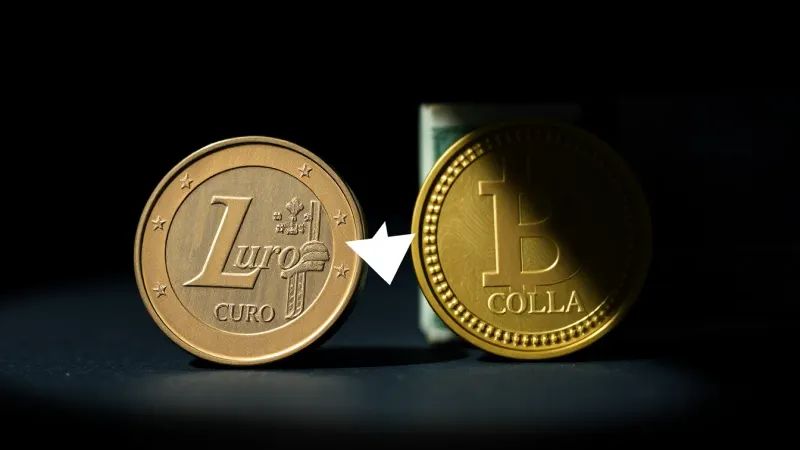
The euro is weakening against the dollar at the start of this week. The reason? Expected U.S. economic figures that could reshape currency strategies.
The dollar hits its lowest level in a month. The euro, yen and pound sterling explode after Trump announces a ceasefire with Iran. Markets return to risk in force.
The euro stagnates at 1.1527 against the dollar at the end of the week. Lack of direction ahead of key US employment figures.

The European Central Bank extends its pause in key interest rates, despite tame inflation. We decipher the strategic stakes and risks for traders.

The euro rebounds against the dollar after better-than-expected manufacturing PMI data from the eurozone.