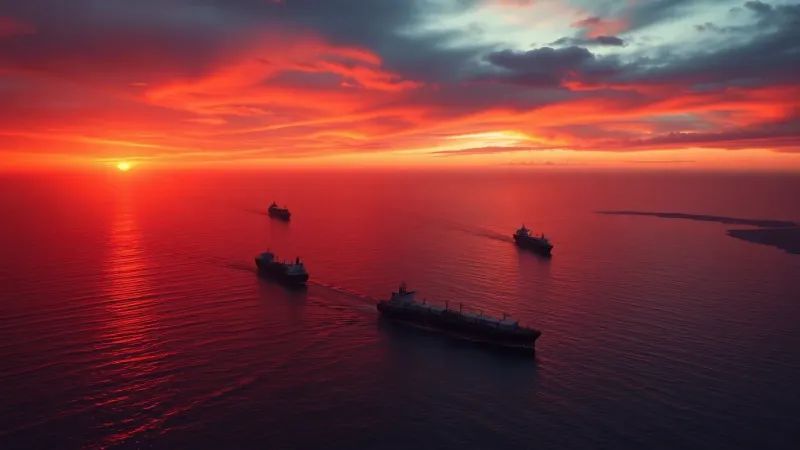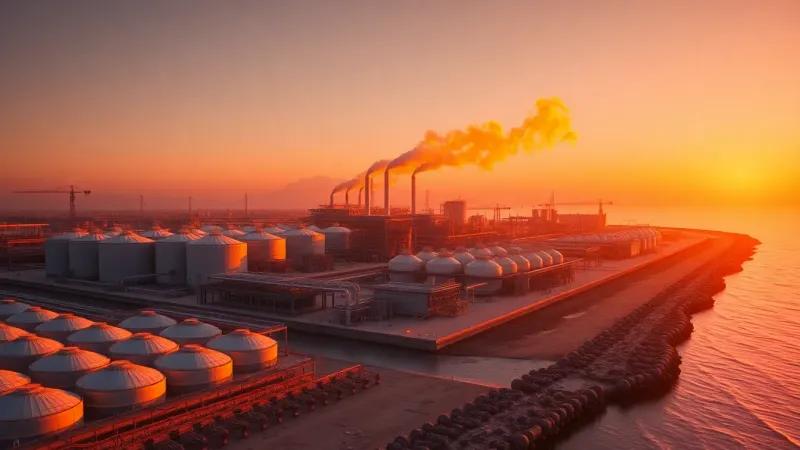
Maximum tension in the Middle East. Iran threatens to attack Gulf desalination plants in response to US threats. This is more than just rhetorical posturing: it's a strategic target that will cripple regional economies. 🔥
🔍 What's going on?
Tensions between Washington and Tehran are ratcheting up a notch. Donald Trump has given Iran an ultimatum to sign a 45-day ceasefire agreement, on pain of "complete destruction". In response, Tehran is threatening to strike at crucial Gulf infrastructure - in particular desalination plants that currently produce over 7.2 billion cubic meters of water annually, or around 40% of the world's supply.
The Gulf Cooperation Council (GCC) operates over 400 desalination plants. These plants aren't just utilities: they're the backbone of major projects such as Saudi Arabia's Vision 2030, or the megacities in the United Arab Emirates and Qatar.
The Gulf Cooperation Council (GCC) operates more than 400 desalination plants.
💡 Why does it matter?
An attack on these plants is not an abstract threat. Without desalinated water, data centers, rapidly expanding urban areas and behemoth real estate projects like Neom or Lusail would be paralyzed. This is the heart of the region's economic diversification, the one that moves away from oil dependency.
.For you who observe macro markets, the real vulnerability is this: these states have built their new non-oil growth on an artificial, centralized resource. A supply disruption means a halt to tourism, logistics hubs, and a collapse in real estate valuations. It's systemic.
📊 Our opinion
We're bearish on the Gulf's macroeconomic stability until this conflict is resolved. Geopolitical risk has become a structural risk. The region's assets - currencies, sovereign bonds, infrastructure projects - remain vulnerable to escalation. Even if a ceasefire agreement is reached at the last minute, uncertainty will weigh on regional investment and capital flows.
✅ To remember
- Iran threatens desalination plants, vital Gulf infrastructure
- 7.2 billion m³ of water produced annually: 40% of global supply
- Potential paralysis of Neom, Lusail, and the regional digital economy
- Macroeconomic vulnerability: fragile non-oil diversification
- Systemic risk on GCC currencies and sovereign assets
What do you think?Do you think this type of geopolitical threat can really become decisive for regional asset prices, or will markets ignore it as long as no attack is confirmed?
🔎 Also to be read
To go further, find all our Economy analyses on ActuTrading Economy 📈